The Nature of Luck in Gambling
Luck is an intrinsic element of gambling, influencing the outcome of nearly every game played in a casino. Unlike games that rely solely on skill, such as poker, many casino games like slots, roulette, and blackjack hinge significantly on chance. This unpredictability captivates players, allowing them to experience exhilarating highs and unforeseen lows, especially when considering the option to engage with a payid casino australia that offers various exciting opportunities. Without luck, the sense of excitement would diminish, making gambling less appealing and potentially less profitable for both players and casinos alike.
Moreover, luck can manifest in various ways within the casino environment. For instance, a player spinning the reels of a slot machine may strike a jackpot purely based on luck, even if they lack a deep understanding of the game mechanics. This element of fortune often encourages novice players to participate, as they believe they can win big without requiring extensive experience or knowledge. The allure of a lucky break serves as a significant draw for many, making the casino a destination for thrill-seekers.
Furthermore, the role of luck extends beyond individual games. It can influence player behavior and decision-making during their gaming experience. Players often find themselves attributing wins to good luck, while losses are blamed on bad luck. This psychological aspect contributes to their continued engagement and investment in gambling, underlining the idea that luck is not just a concept but a powerful motivator that keeps players returning to the tables and machines, hoping for another stroke of fortune.
The Role of Chance in Game Mechanics
The design of casino games itself incorporates elements of chance, ensuring luck plays a pivotal role in determining outcomes. Slot machines, for example, utilize random number generators (RNGs) that ensure results are unpredictable and fair. This technology creates an environment where luck reigns supreme, as players have no control over the results of their spins. Their success is entirely reliant on the RNG, amplifying the concept that luck is a fundamental aspect of the gaming experience.
Similarly, in games like roulette, the spin of the wheel determines the outcome, relying on variables that are entirely out of a player’s hands. The anticipation of where the ball will land keeps players engaged, with many believing that their lucky numbers or colors might bring them fortune. This is a clear reflection of how deeply interconnected luck is within the fabric of casino games, making it a crucial factor in the player’s gambling journey.
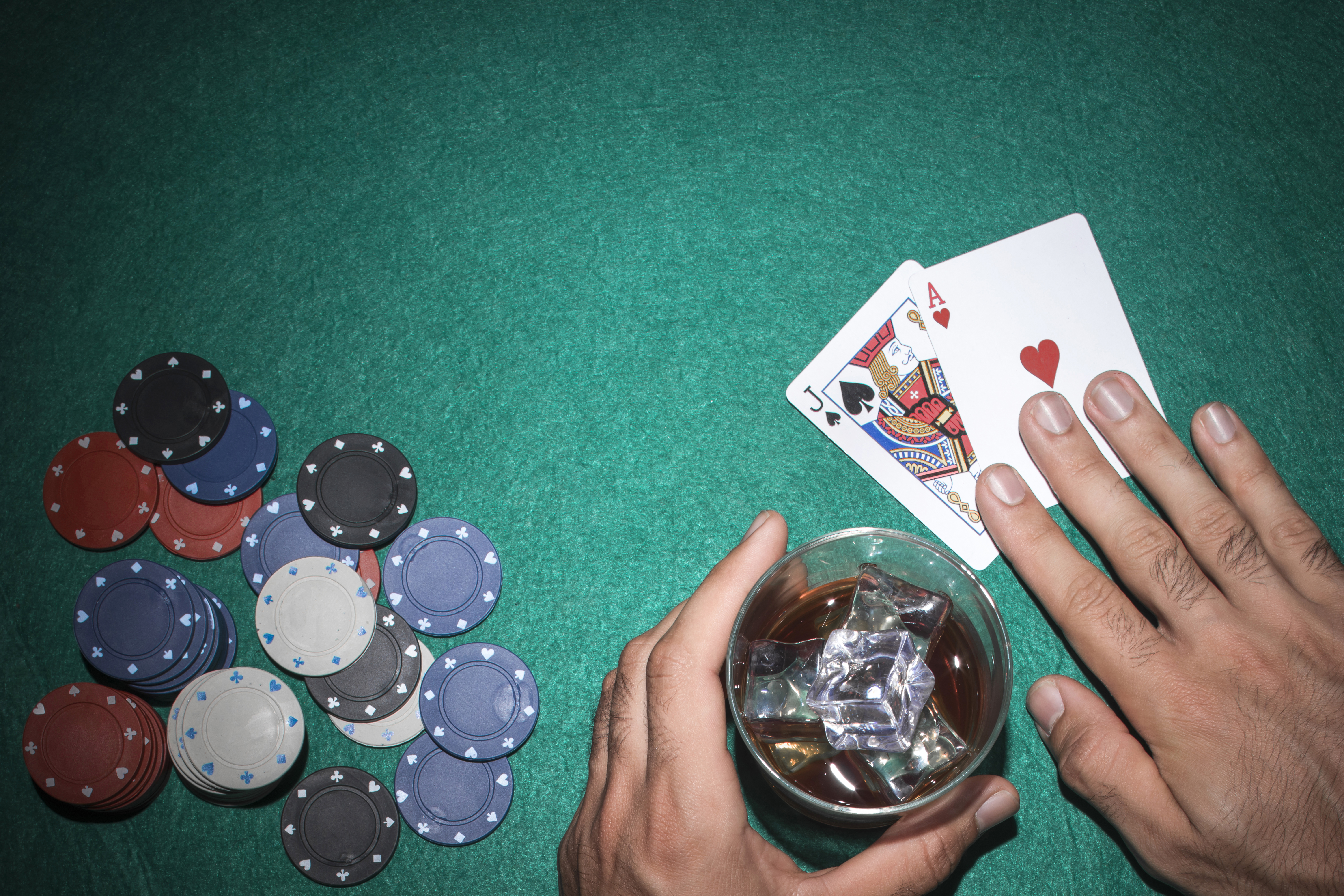
Moreover, games are often designed to evoke the thrill of gambling luck. The flashing lights, celebratory sounds of wins, and the visual graphics of spinning reels all create an immersive experience. These design elements heighten the emotional stakes involved in gambling, enhancing the belief that luck is always just a spin away. It is this combination of design and chance that magnifies the role of luck, reinforcing its importance in casino success.
The Psychological Influence of Luck on Gamblers
Luck has profound psychological implications for gamblers, shaping their perceptions and experiences in a casino. The belief in luck can lead to a phenomenon known as “the gambler’s fallacy,” where players assume that past outcomes influence future results. For example, if a player has witnessed several losses in a row, they may believe that they are “due” for a win, demonstrating how luck can create a mindset that encourages continued play, despite the mathematical realities of probability.
This psychological dependence on luck can foster a sense of hope that drives players to engage in riskier behaviors and larger bets. As they chase the thrill of hitting a winning streak, they may neglect the reality of odds and probabilities in favor of optimism shaped by past experiences. This emotional rollercoaster can lead to significant financial repercussions, as the chase for luck overshadows rational decision-making.
Additionally, gamblers often develop personal rituals or routines they believe enhance their luck. From lucky charms to specific seating arrangements at tables, these behaviors underscore the powerful psychological connection between luck and personal belief systems. They enhance the gaming experience, providing players with a sense of control over the uncontrollable aspect of chance, which can be both beneficial and detrimental in the pursuit of casino success.
The Impact of Luck on Casino Revenue
Luck is not only crucial for players but also significantly impacts casino revenue. The unpredictable nature of luck keeps players returning, creating a steady stream of income for casinos. When players experience a winning streak, they are more inclined to continue wagering, which can result in heightened profits for the establishment. Conversely, the exhilaration of losing can lead players to double down in hopes of recouping their losses, further benefiting the casino.
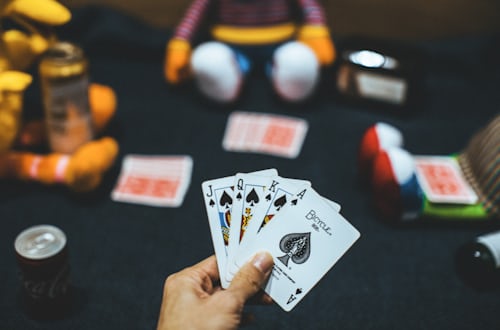
Moreover, luck encourages a diverse array of players to enter casinos. From high rollers to casual bettors, the allure of potentially hitting a jackpot or successfully landing a winning hand attracts a wide demographic. This diversity enhances the vibrancy and profitability of the casino, as different games and betting styles cater to various preferences. Each player’s unique relationship with luck contributes to an unpredictable yet lucrative environment for casino operators.
Casinos also leverage luck in their marketing strategies, promoting the idea that anyone can win. This notion is powerfully encapsulated in advertisements that showcase big winners and highlight the excitement of gaming. The narratives surrounding luck encourage players to visit casinos with the belief that they too could be the next big success story, thus enhancing foot traffic and increasing overall revenue.
The Future of Luck in Online Gaming
As technology continues to evolve, the role of luck in gaming is also shifting. Online casinos are leveraging advancements in technology to create immersive experiences that replicate the thrill of brick-and-mortar establishments. With the rise of live dealer games, players can engage in a more interactive way, while still being governed by the same principles of chance. Luck remains a fundamental element as players participate in games influenced by random outcomes, regardless of the platform.
Moreover, the integration of gamification and virtual reality in online gaming is reshaping how players perceive luck. These advancements allow for more engaging and interactive ways to experience luck. Players can interact with elements that enhance their belief in luck, thus enhancing the overall experience. With each new technological development, the excitement of luck continues to be a driving force that attracts players to casinos.
As more players turn to online gaming, understanding the role of luck becomes essential for operators aiming to sustain engagement and loyalty. In a marketplace increasingly driven by user experience, platforms that successfully communicate the thrill of luck combined with innovative technology are likely to thrive. It is evident that luck will remain a crucial aspect of casino success, no matter how the gambling landscape evolves.